
Texarkana's Wildest Radio Station!
Texarkana's Wildest Radio Station!
July 14, 2026
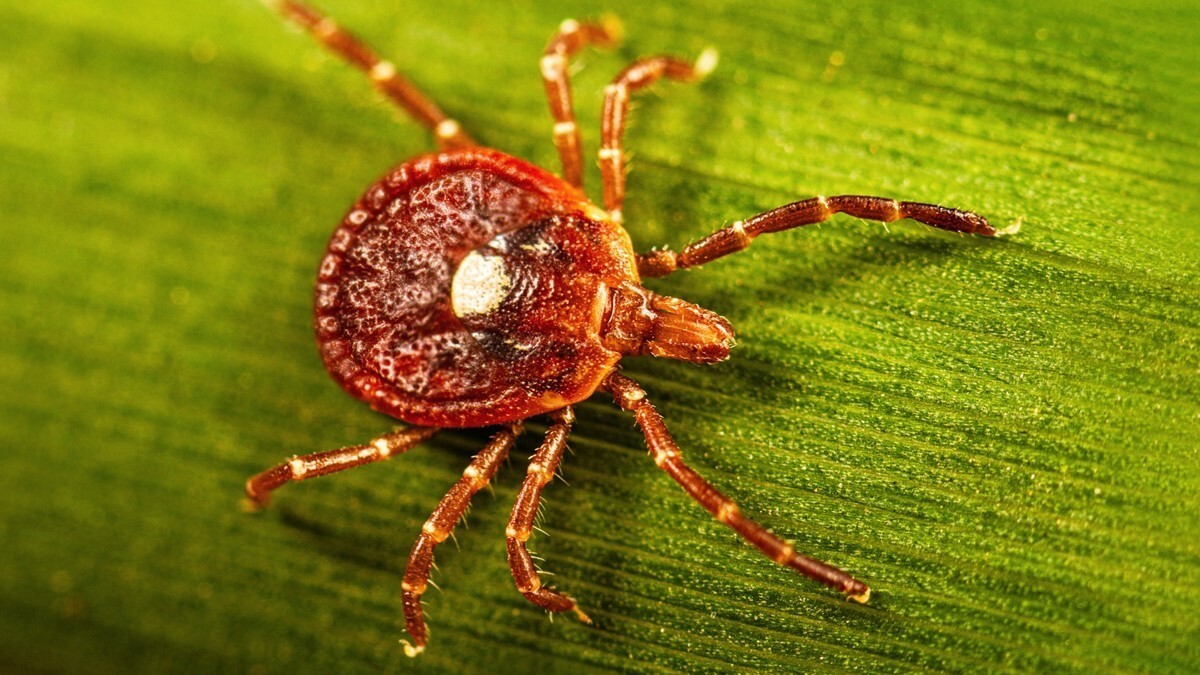
TEXARKANA — State and federal authorities have confirmed established populations of the lone star tick across the Four States Region, raising concern about the local spread of a debilitating allergy the species can cause: alpha-gal syndrome.
Alpha-gal syndrome, or AGS, is an allergic reaction to red meat and other products made from mammals. The lone star tick picks up a sugar molecule called alpha-gal by feeding on animals like deer and cattle, then transmits it when it bites a person. Once someone is sensitized, eating beef, pork, lamb — or even consuming mammal-derived ingredients like gelatin — can bring on reactions ranging from hives and severe stomach trouble to life-threatening anaphylaxis.
What makes AGS especially tricky is timing. Reactions are usually delayed, striking hours after a meal rather than right away, which leads many cases to go misdiagnosed for years.
The Four States corner is squarely in the danger zone. A Centers for Disease Control and Prevention report released in late June estimated that about 24% of adults in five states, including Arkansas, carry alpha-gal antibodies — a sign they've already been bitten and exposed. Arkansas, Oklahoma, and Missouri show some of the highest alpha-gal tick prevalence in the country. Nationally, the CDC has identified more than 110,000 suspected AGS cases since 2010 and estimates as many as 450,000 Americans may be affected.
Arkansas has taken the condition more seriously than most: in 2023 it became the first state in the nation to make AGS a reportable condition.
The warning comes at the worst time of year. Lone star tick larvae — so small they're often mistaken for chiggers — are most active from late summer into fall, and a person can be bitten by hundreds at once. Because repeated bites increase the odds of developing AGS, health officials urge extra caution from July through October.
To reduce risk, experts recommend using insect repellent, treating clothing and gear, wearing long sleeves and pants in wooded or grassy areas, checking thoroughly for ticks after being outdoors, and removing any attached ticks promptly.
Anyone who develops hives, stomach upset, or other allergic symptoms hours after eating red meat should talk to a doctor about testing for alpha-gal syndrome.